History of the
Demècre Hut
History
1892
The Swiss Confederation decides to build the forts of Dailly and Savatan, along with regional fortifications. During World War I, rock shelters are hollowed out in the Dents de Morcles.
1915
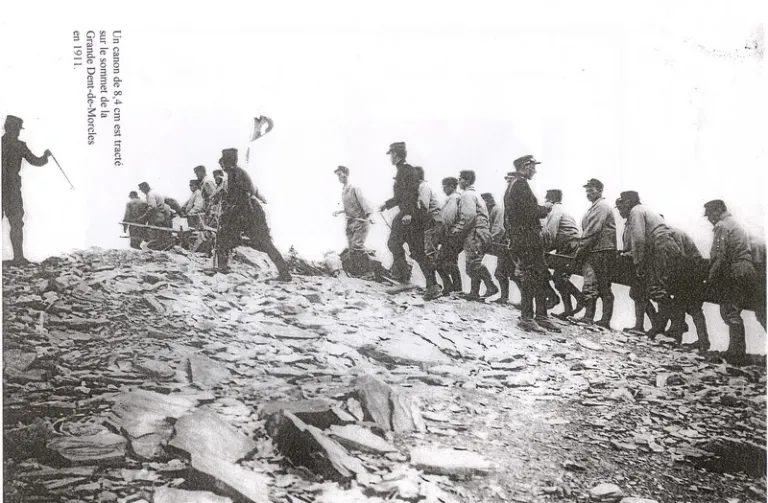
Construction of the Demècre hut, a wooden barrack for 120 men, serving as a rear base for the army.
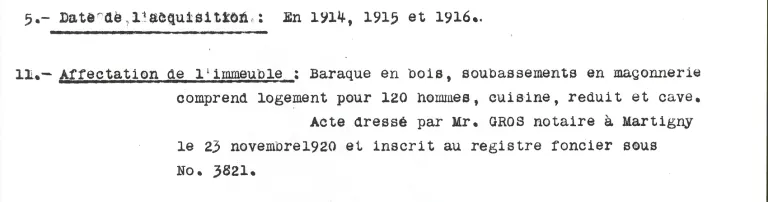
The Bourgeoisie (local authority) of Fully grants the Confederation the right to build various structures, including the Demècre hut, for the sum of 30 francs. The deed was signed after construction, likely due to the war.
1920-1980
The army rarely uses the hut, except during World War II. It is primarily visited by path wardens who monitor the trails of the Dent de Morcles during firing exercises at Dailly.
1983
In autumn, a storm tears off part of the roof.
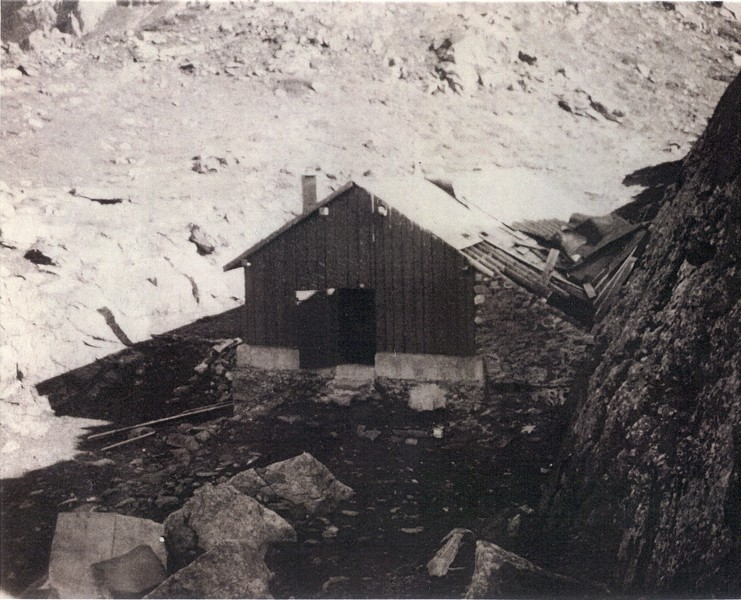
The army repairs the damage with tarpaulins and decides to decommission the hut to save costs. Fort guards and the Bourgeoisie of Fully begin discussions to save the building.
Year the « Les Trotteurs » club was founded.
1985
The Bourgeoisie becomes the owner of the hut. Several parties, including a hunting group and the Trotteurs, express interest. The Trotteurs want the hut to be open to the public and take steps to begin renovations.
1987
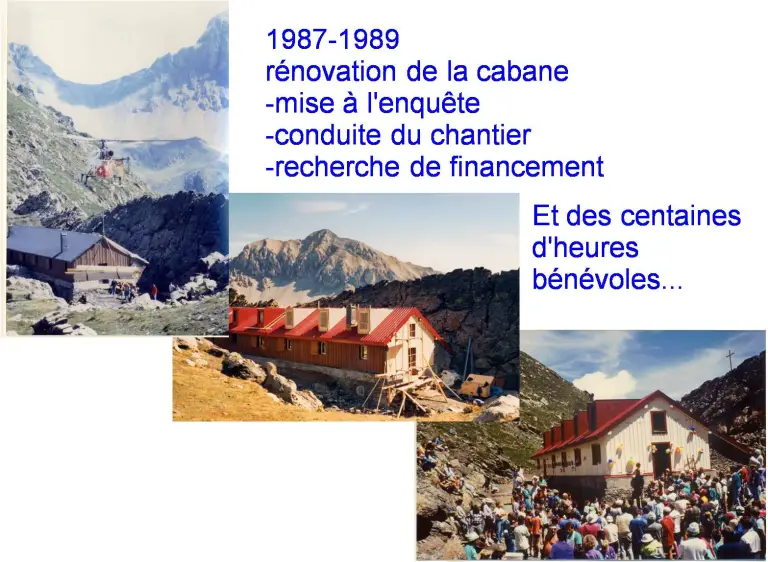
On September 7, the Bourgeoisie of Fully grants a 99-year surface right to the Trotteurs. The contract stipulates, among other things, that the hut must remain open to the public.
1987-1989
Trotteurs volunteers pour their energy into renovating the hut. The inauguration is celebrated on July 15, 1989.

2016-2017
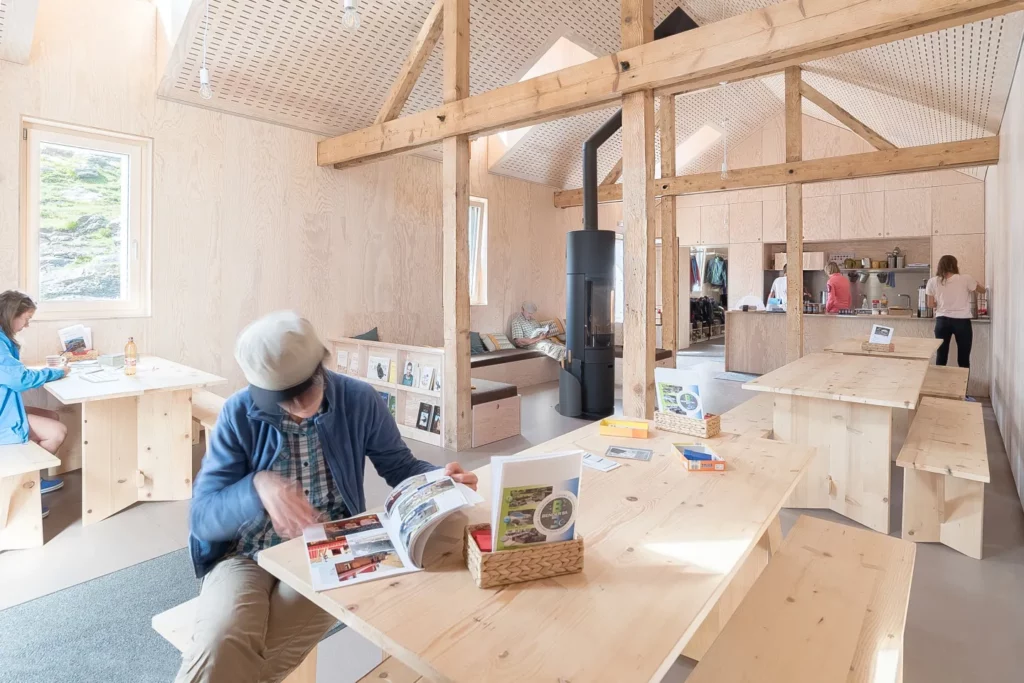
Wishing to safeguard the heritage and preserve its authentic character, the Trotteurs club opts for a renovation that maintains the original structure and architectural lines. The interior is completely redesigned: the common area is expanded, and new openings allow for more natural light. To ensure guest comfort, the capacity is reduced to 30 beds in warmly refurbished dormitories. The hut continues to be managed by volunteers.